From human operators
to agent operators
Unix gave humans a common language to control machines.
AgentOS gives agents the same power.
The Unix Foundation
Before Unix, every computer spoke a different language. Programs written for one machine couldn't run on another. Computing was fragmented, expensive, and inaccessible.
Unix changed everything. It introduced a radical idea: a portable operating system with a universal interface. Files, processes, pipes, permissions. Simple primitives that composed into infinite complexity.
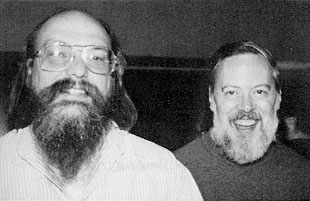
Ken Thompson and Dennis Ritchie, 1973. Public Domain
Do one thing well. Compose small programs into larger systems.
Everything is a file. Text streams connect all programs.
The foundation for Linux, macOS, Android, and the modern internet.
Linux & The Open Source Revolution
Linux took Unix's ideas and made them free. Not just free as in cost. Free as in freedom. Anyone could read, modify, and distribute the code that powered their machines.
This openness sparked an explosion of innovation. The kernel became the backbone of servers, phones, cars, and spacecraft. Open source became the default way to build software.

The first web server at CERN. Photo by Coolcaesar, CC BY-SA 3.0
The Cloud Era
AWS, then Azure, then GCP. Computing became a utility. No more buying servers. Just rent capacity by the hour. Infrastructure as code. Scale on demand.
But the fundamental model stayed the same: humans writing code, humans operating systems, humans in the loop at every step. The cloud made computing elastic, but it was still computing for humans.
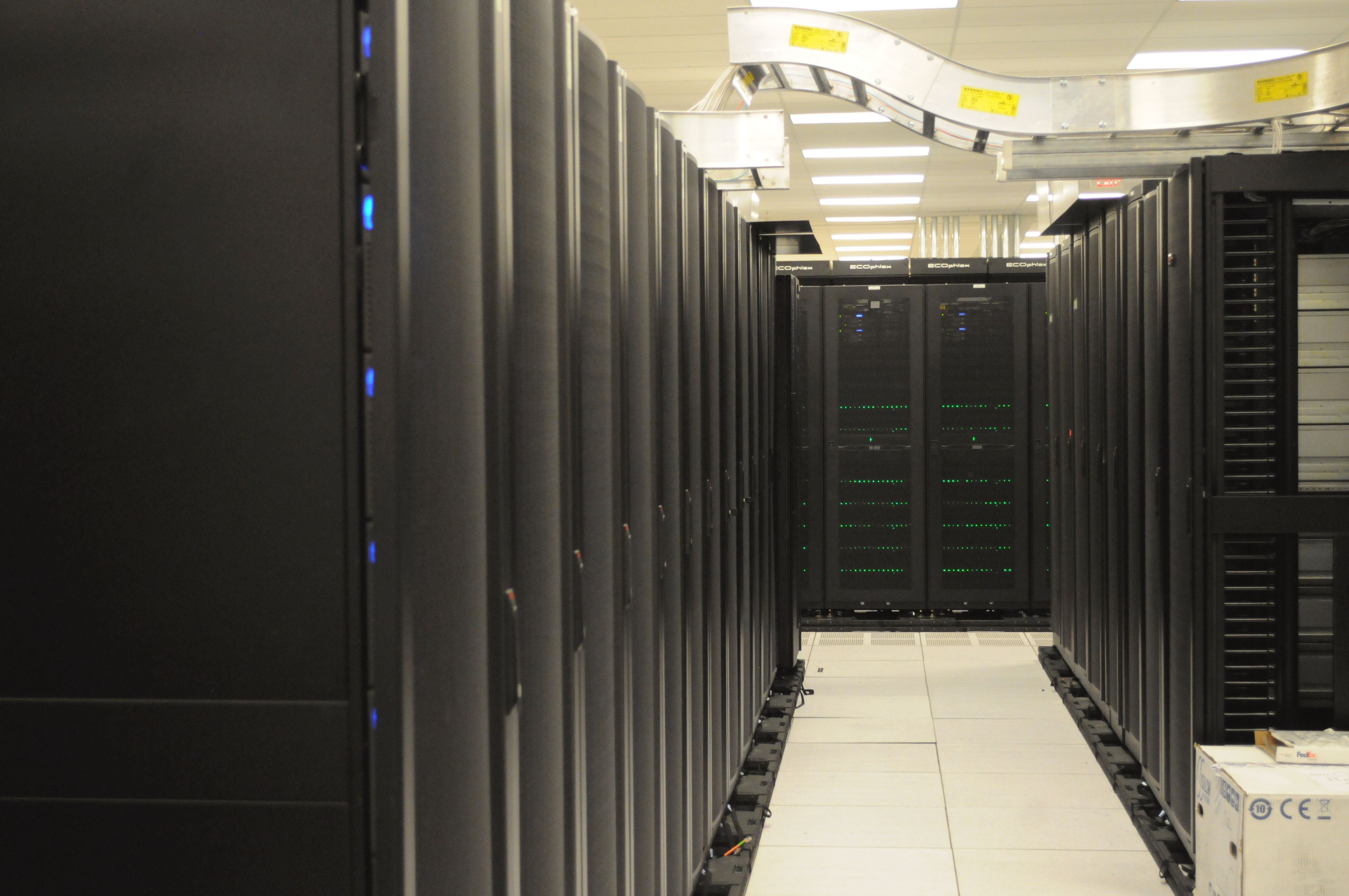
Server racks at NERSC. Photo by Derrick Coetzee, CC0
Pay for what you use. Scale infinitely. APIs for everything.
Humans write the code. Humans click the buttons. Humans fix the errors.
The Agent Era
AI agents are the new operators. They write code, run commands, fix errors, and deploy software. They work around the clock. They scale to thousands of instances. They don't need a GUI.
But agents have different needs than humans. They need persistent memory that survives crashes. They need secure execution environments they can't escape. They need real-time communication with other agents and systems.
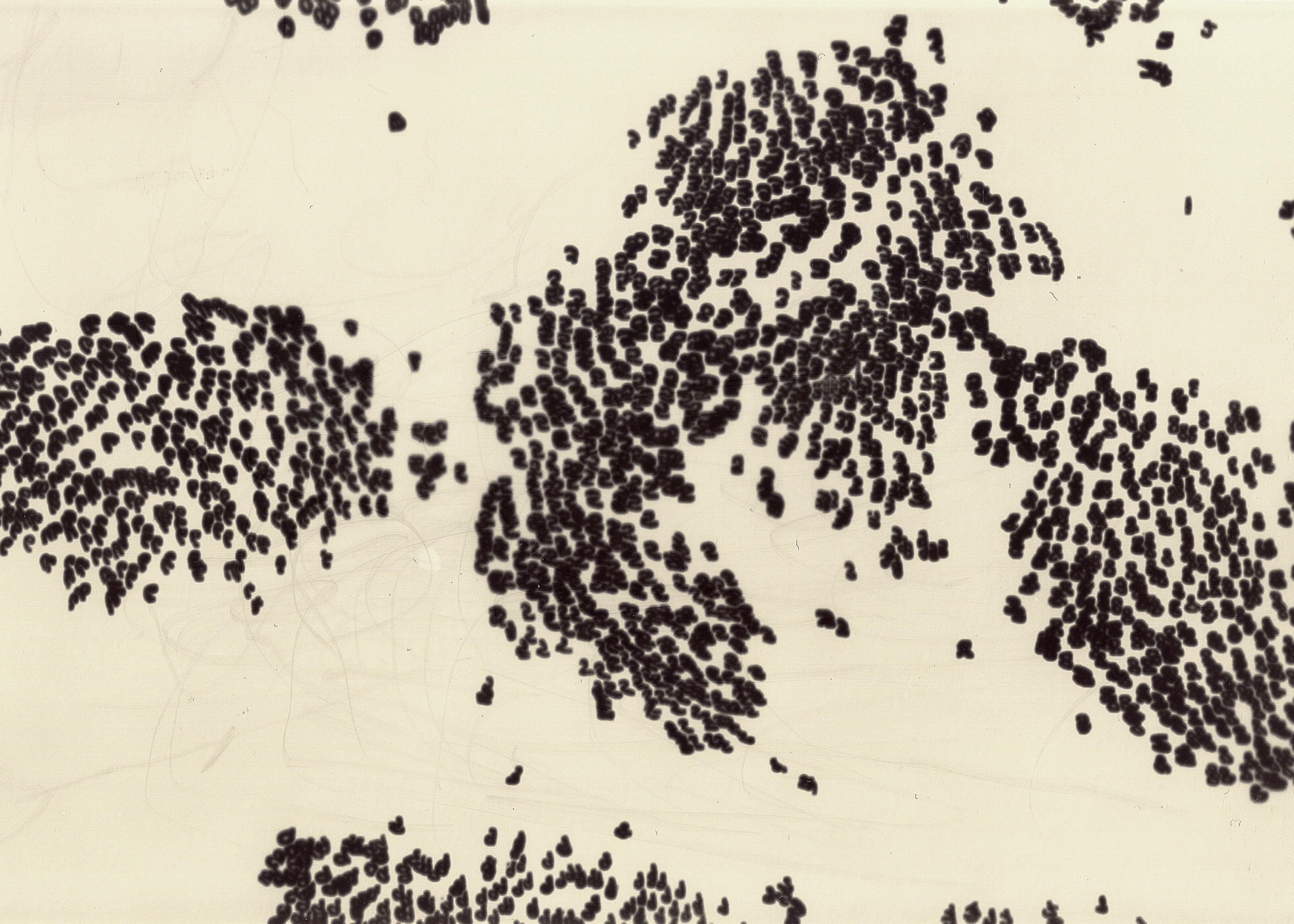
"Data flock (digits)" by Philipp Schmitt, CC BY-SA 4.0
They need an operating system built for them.
Soon, more computing tasks will be performed by AI agents than by human operators.
The shift is happening now
For fifty years, we built operating systems for human operators. Humans who read documentation. Humans who type commands. Humans who understand error messages and fix bugs.
But the next wave of computing won't be operated by humans.
Introducing

AgentOS
A lightweight Linux-like VM for agents.
Secured by V8 isolates and WebAssembly.
npm install @rivetkit/agent-osYour tools, ready to go
Git, curl, Python, npm. The tools agents already know. No custom runtimes or language restrictions.
Instant coldstart
Minimal memory overhead. No waiting for VMs to boot. Agents wake instantly when needed.
Real file system
Not a mock. A real, persistent file system agents can read, write, and navigate like any Linux environment.
Granular security
V8 isolates + WebAssembly. Hardware-level isolation without the overhead. Control exactly what agents can access.
Hybrid execution
Lightweight isolation by default. Spin up full sandboxes when you need them. Best of both worlds.
Runs anywhere
Railway, Kubernetes, browsers, edge. No microVMs. No special infrastructure. Just npm install and go.
"Unix was built on the insight that humans think in files and text streams. AgentOS is built on the insight that agents need Linux-like power without Linux-like overhead."
Design principles for the agent era
State is primary
Agents need memory. Not just databases. Embedded state that moves with them, survives restarts, and replicates across regions.
Security by default
Agents run untrusted code. The security boundary isn't optional. It's the foundation. Isolation without overhead.
Agent-agnostic
Claude Code today, Codex tomorrow, something new next month. The operating system shouldn't care which agent you run.
Real-time native
Agents communicate constantly. WebSockets aren't an add-on. They're built into the runtime. Events flow without polling.
Scale to zero
Millions of agents, most idle. Pay for what runs. Wake in milliseconds when needed. No wasted capacity.
Deploy anywhere
Your cloud, our cloud, bare metal. The agent OS shouldn't lock you into a platform. Open source, self-hostable, portable.
Build for the agent era
The next generation of software will be built by agents, for agents. Start building today.